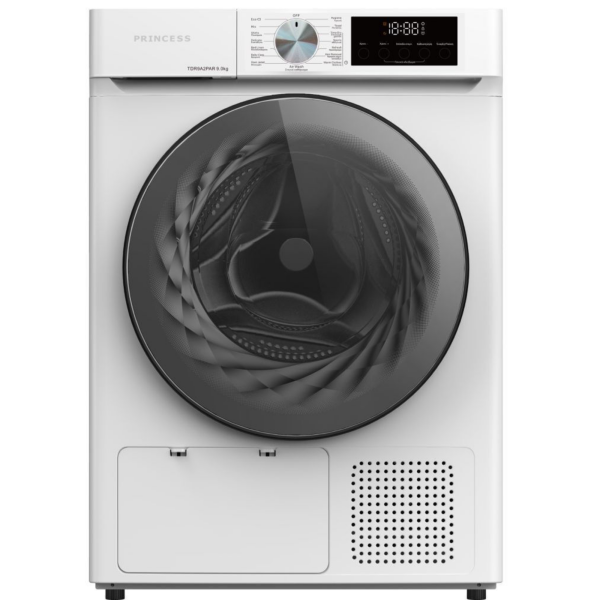
Tumble Dryers FAQ
What is the difference between a heat pump dryer and a condenser dryer?
A heat pump dryer reuses warm air and dries clothes at a lower temperature, making it more energy-efficient and gentler on fabrics. A traditional condenser dryer uses an electric heater, normally costs less to buy and may complete some programmes faster, but usually consumes more electricity and operates at a higher temperature.
Which tumble dryer is the most economical to run?
A heat pump tumble dryer is normally the most economical choice for regular use because it reuses heat instead of continuously generating new hot air. Check the energy class and estimated consumption on the energy label, as running costs vary by model, programme, load size and electricity tariff.
What tumble dryer capacity do I need?
A 7–8kg dryer is generally suitable for a small household, while a 9–10kg model is more practical for families, larger loads and bedding. If possible, choose a dryer with a capacity similar to or slightly than your washing machine so that a full washed load can be dried conveniently.
Does a tumble dryer need a water connection or external vent?
Heat pump and condenser dryers do not normally require a water inlet or an external ventilation hose. Moisture is collected in a removable water container, although some models can also be connected directly to a suitable drain. They still require a suitable electrical supply and adequate ventilation around the appliance.
Why do heat pump dryers take longer to dry clothes?
Heat pump dryers operate at a lower temperature to reduce electricity consumption and protect fabrics, so some programmes may take longer than those of traditional condenser dryers. Sensor-controlled programmes can stop automatically when the selected dryness level is reached, helping prevent unnecessary drying.
How often should I clean the tumble dryer filter?
Clean the lint filter after every drying cycle. Depending on the model, the heat exchanger, condenser area and moisture sensors may also require periodic cleaning. Regular maintenance supports efficient airflow, safe operation, better drying performance and lower electricity consumption.
Can a tumble dryer be placed on top of a washing machine?
A tumble dryer may be installed above a compatible front-loading washing machine using the correct stacking kit. The washing machine must remain underneath because it is heavier and moves during spinning. Compatibility, dimensions, stability and the manufacturer’s installation instructions must be checked before stacking.
Do you deliver, place and remove tumble dryers across Cyprus?
Yes, we deliver tumble dryers across Cyprus. Standard placement applies to safe, accessible ground-floor locations. Stair carrying must be agreed before delivery and may involve an additional charge. Free removal of one equivalent old appliance is available only under the applicable service conditions.
Do tumble dryers include a warranty?
Tumble dryers include the applicable manufacturer’s or supplier’s warranty, but the duration and conditions vary by brand and model. Proof of purchase and authorised inspection may be required. Misuse, insufficient maintenance, blocked filters, external electrical faults and unauthorised repairs are not normally covered. See our full
Product Warranty terms
for details.